What is motor neurone disease (MND)?
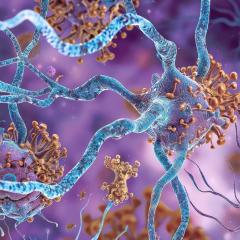
Motor neurone disease (MND) is a rapidly progressive neurological condition that affects the nerve cells (motor neurons) in the brain and spinal cord. These nerves control essential everyday functions such as walking, speaking, swallowing, eating, and breathing. As motor neurons deteriorate and die, the brain can no longer send signals to the muscles. This leads to progressive muscle weakness, muscle wasting, and loss of movement over time.
MND is also commonly known as:
- Amyotrophic lateral sclerosis (ALS)
- Lou Gehrig’s disease
How MND affects people
MND affects each person differently. Symptoms may begin in different parts of the body and progress at varying speeds. Because of this, care needs are complex and highly individualised. In many cases, symptoms are not immediately obvious. Diagnosis can take time, with an average of 10 to 18 months from symptom onset to confirmed diagnosis. For most people, the average life expectancy following diagnosis is around 2–3 years, although this can vary.
Currently, there is no cure for motor neurone disease, and no treatment can stop the disease from progressing.
Signs and symptoms
The initial symptoms of Motor neurone disease (MND) may include:
- difficulty holding objects due to weakness of the hand muscles
- stumbling due to weakness of the leg muscles
- slurred speech or swallowing difficulties
- a general feeling of tiredness
- muscle pains and cramps
- muscle twitches
What causes motor neurone disease?
The exact cause of MND/ALS is still unknown. However, research suggests it may result from a combination of factors, including:
- Genetic (inherited) risk
- Environmental influences
- Lifestyle factors
Around 5–10% of cases are familial MND, where there is a known family history. The remaining 90–95% of cases are sporadic, meaning they occur without a clear inherited link.
How is MND treated?
While there is no cure for MND, treatment focuses on managing symptoms, improving quality of life, and slowing disease progression where possible.
Multidisciplinary care
People living with MND are typically supported by a multidisciplinary healthcare team, which may include:
- Neurologists
- Physiotherapists
- Speech pathologists
- Occupational therapists
- Dietitians
This team works together to provide coordinated, personalised care.
Medication options
In Australia, the medication riluzole (Rilutek or APO-Riluzole) is approved for people with MND.
- Riluzole does not cure MND
- It may slow disease progression
- It can extend survival by approximately 2–3 months for some patients
Riluzole is available under the Pharmaceutical Benefits Scheme (PBS). Patients should consult with a neurologist to discuss whether this treatment is appropriate for their situation.
Learn more about motor neurone disease
Latest MND research news
-
-
Major milestone for UQ spin-out’s promising MND drug
10 December 2024