

A QBI early career researcher has secured a major Medical Research Future Fund (MRFF) grant to investigate a new therapeutic approach using mushrooms that could help protect the ageing brain.
QBI Postdoctoral Research Fellow Dr Sevannah Steeves, and Dr Kylie Agnew-Francis from UQ’s School of Chemistry and Molecular Bioscience, have been awarded $782,500 in funding to advance research into compounds that stimulate the brain’s own repair mechanisms.
The research focuses on naturally occurring molecules derived from the lion’s mane mushroom (Hericium erinaceus) that can cross into the brain and trigger production of neurotrophins — molecules that support neuron survival, growth and plasticity.
“Neurotrophins are essential for helping our neurons grow, survive and adapt to injury or disease,” Dr Steeves said.
“But they’re very difficult to use as drugs because they can’t easily cross the blood-brain barrier.
“What’s exciting about these molecules is that they get into the brain and stimulate the production of our own neurotrophins, which naturally decline as we age.”
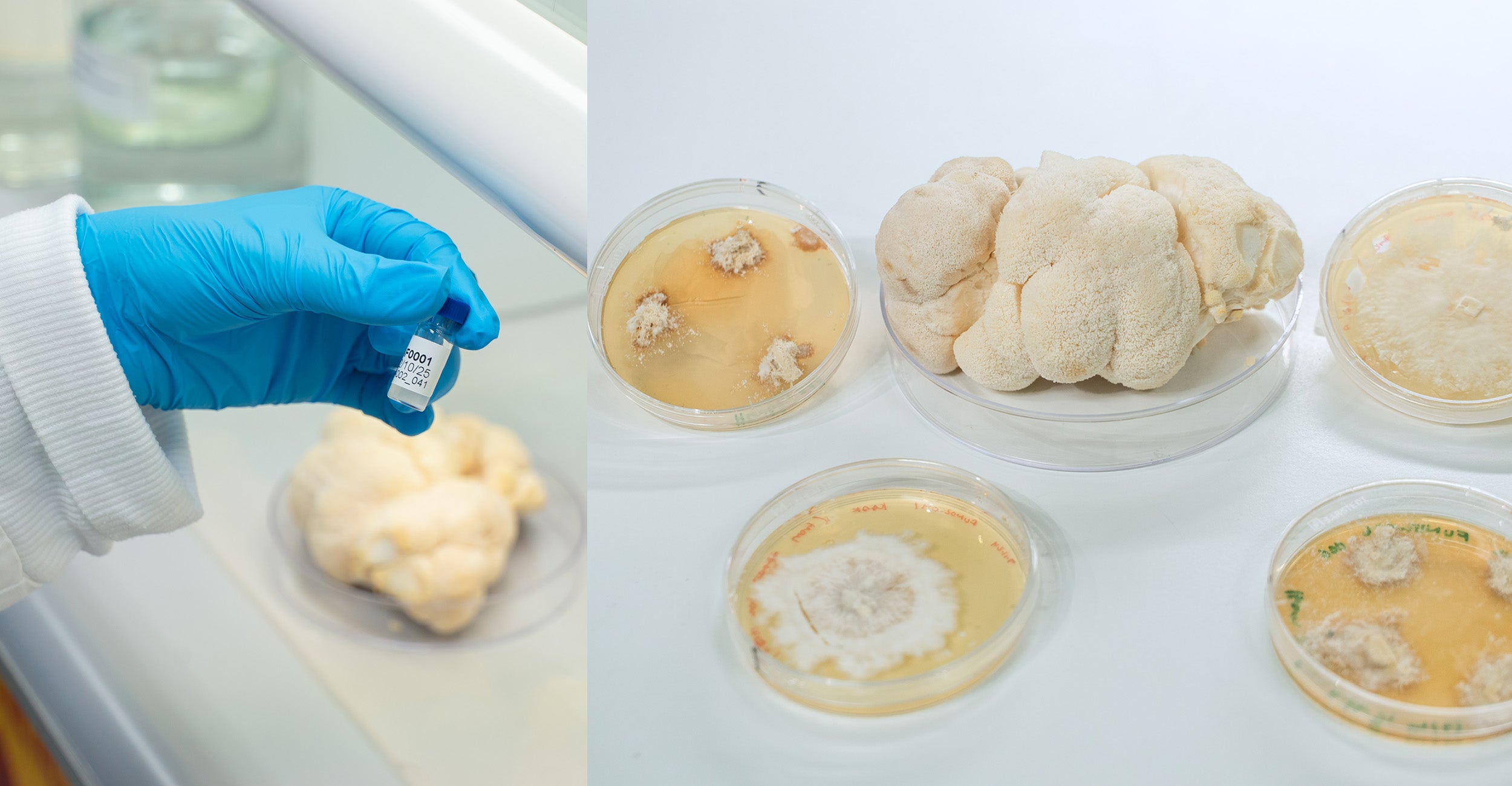
This research builds on pre-clinical testing from QBI’s Meunier laboratory which revealed the mushroom compounds significantly enhanced the growth of brain cells and improved memory.
The MRFF project will now test whether they can slow or prevent cognitive decline in models of ageing and Alzheimer’s disease, while also identifying the molecular pathways responsible for their effects.
Dr Steeves believes the therapy could one day complement existing Alzheimer’s treatments.
“Many current therapies aim to reduce amyloid or tau proteins, which may slow disease progression,” she said.
“What we’re trying to do is help neurons recover by encouraging new connections and supporting brain health.”
The team will work closely with Dementia Australia and a consumer reference group that includes advocates and people with lived experience of Alzheimer’s disease to help guide research priorities and ensure the work addresses real-world needs.


