
By Professor Helen Cooper
This Brain Awareness Week, it’s worth asking a simple question:
Where do the breakthroughs in brain science actually begin?
Often, they start with curiosity.
Scientists call this “blue sky research”: exploring big questions about how nature works, without knowing exactly where the answers will lead.
That freedom to follow the science has driven many of the discoveries that shape medicine today.
Take the tiny worm C. elegans. By studying this simple organism, QBI scientists have discovered how nerves can regenerate — insights that could one day help people recover from spinal cord injuries.

QBI pre-clinical studies with Lion’s mane mushroom compounds revealed that they can significantly enhance brain cell survival, paving the way for research into whether these compounds can help slow cognitive decline associated with ageing and Alzheimer’s disease.
Or consider mantis shrimp. Research led by QBI uncovered the most complex visual system known in nature, using circularly polarised light to communicate. That discovery is now helping inspire new approaches to cancer detection.
Even the famous bee “dance”, which shows how bees communicate the location of flowers, has helped inform computational systems used to guide aircraft navigation.
None of these discoveries began with a clear practical goal. They began by giving our researchers the freedom to ask bold questions.
That freedom is particularly important in brain science, where research explores profound questions about this incredibly complex organ.

The brain governs who we are – how we think, feel, learn, remember, and behave. By building a fundamental understanding of the brain, we can unlock new approaches to treating neurological disorders. And by understanding our brain’s fundamental mechanisms, we can help improve the lives of millions worldwide.
Understanding how neurons communicate has led to treatments such as deep brain stimulation, now transforming the lives of people with Parkinson’s disease and other movement disorders. Our research into brain plasticity is revealing how exercise can help maintain cognition even in older age.
But breakthroughs like these take time — usually decades. For example, QBI’s recent human exercise studies were the culmination of almost two decades of research that began with the early 2000s discovery of stem cells in the adult brain.
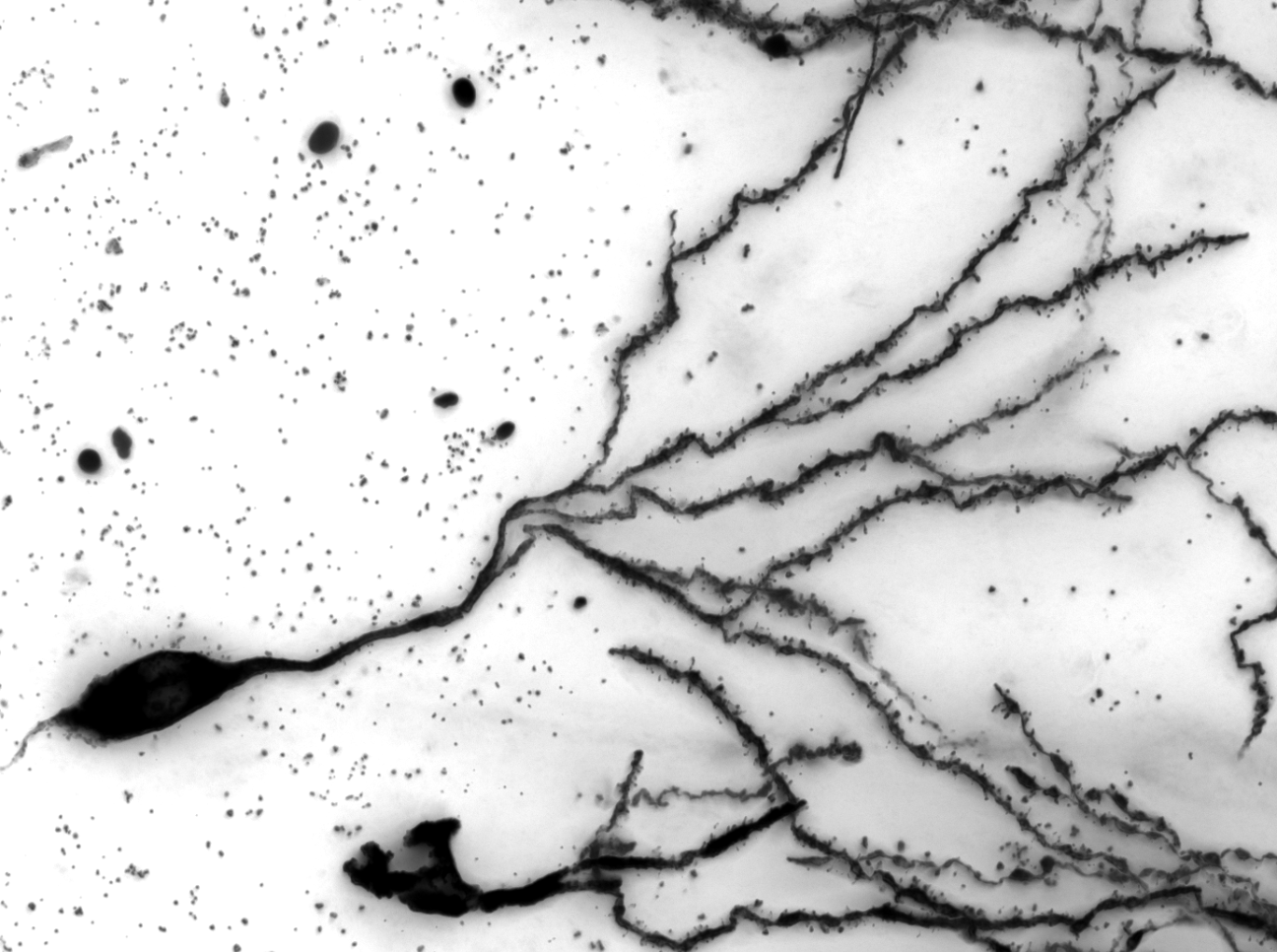
The current trials of NUN04, a potential new drug for motor neurone disease, are underpinned by research begun at QBI in the 1990s. In that decade, researchers found that the EphA4 protein was essential for guiding motor neurons from the brain to targets in the spinal cord and for impeding the motor neuron recovery after injury.
These breakthroughs depend on sustained support for discovery science. Studies have found that Australia lags well behind comparable countries in funding basic research. The focus has shifted toward commercialisation and translational research, “mission-directed research”, over support for fundamental scientific discovery.
This Brain Awareness Week is a reminder: the discoveries that change lives tomorrow depend on the questions we allow scientists to explore today.
That is why we champion the freedom to follow scientific curiosity and urge investment in discovery research that continues to fuel innovation and deliver life-changing breakthroughs.
Because when researchers are free to follow the science — that’s when real breakthroughs happen.


